Hiking for Beginners: How to Plan and Prepare for Your First Hike
Jerome StolzPlanning your first hike can feel like a lot. How do you choose a trail that suits you? What do you need to bring, and how can you tell whether you’re prepared?
You don’t need to figure it all out at once. This guide walks you through choosing a beginner-friendly trail, packing for the day, and knowing what to do before, during, and after your hike.
What Is Hiking?
Hiking is walking outdoors on a planned trail or route, usually through natural areas such as forests, hills, mountains, or countryside. A hike can last less than an hour or several days, depending on the route.
What separates a hike from a walk is the ground. Uneven surfaces, elevation changes, and weather that shifts while you are out there all change how far you can comfortably go. A short marked trail on a good day counts as a hike too, and most people start exactly there.
How to Choose Your First Trail
A good first hike is one you can finish with energy left over. To make that more likely, consider how much elevation gain the trail has, as steeper and longer climbs can require more energy. A flat 10 km (6 mi) walk feels nothing like a 6 km (3.7 mi) climb with 600 m (2,000 ft) of ascent, even though they look similar on a map, so check the total ascent before you check the distance.
Five miles on gentle ground makes a solid first hike. Look for a well-reviewed, out-and-back trail so you can turn around at any point if it turns out to be more than you expected.
Estimate Your Hiking Time Before You Go
Work out roughly how long you'll be on the trail before you leave, rather than planning around distance alone. Factor in breaks, photos, and snack stops too, since they can add more time than you expect. With your total hiking time in mind, aim to finish well before sunset so you still have enough daylight if the hike takes longer than planned.
What to Bring on Your First Hike
You do not need specialist equipment for your first hike. The essential hiking gear you bring depends on the distance, terrain, weather, season, and how remote the trail is.
Water
Fill your bottles or hydration reservoir before you leave. Around half a liter per hour is a useful planning estimate, with more for hot weather or a demanding climb.
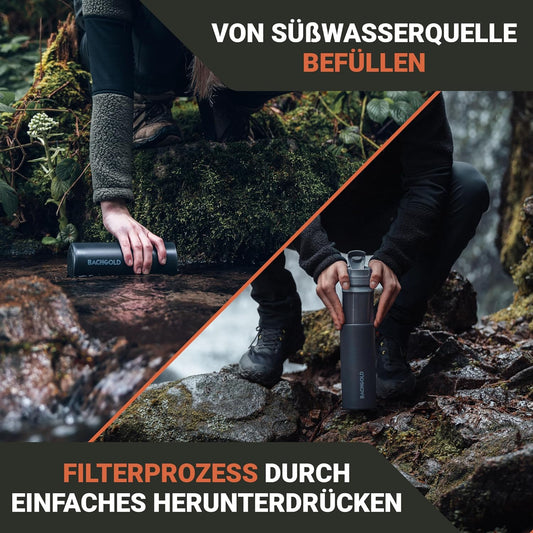
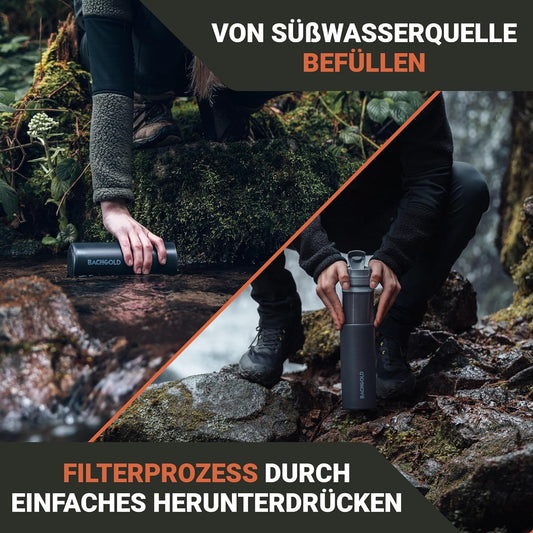
If you plan to refill from a stream or lake, bring a water filter, purification tablets, or another suitable water treatment method. Electrolyte tablets are optional and may be useful when you expect to sweat heavily.
Food
A sandwich, fruit, nuts, or a few bars can cover a short day hike. Bring foods you know won’t upset your stomach, and pack a little extra in case the hike takes longer than planned. Make sure to keep a snack within reach so you do not have to unpack your whole bag when you stop.
Worn and Carried
For an easy, well-maintained trail, comfortable trainers you have already walked in may be enough. Rougher or muddier ground may call for trail shoes or boots with better grip.
Dress in layers you can add or remove as conditions change:
-
Next to your skin: Comfortable, non-cotton socks and a moisture-wicking top.
-
For warmth: A mid layer, such as a fleece.
-
For rain or wind: A suitable outer layer.
Use a daypack that fits your gear without leaving items swinging loosely inside. Place heavier items close to your back. If you are heading out for a long day or expect wet conditions, spare socks can make the walk home much more comfortable.
Navigation
Before you set off, download the route so you can view it offline and make sure your phone is charged. Check the trail junctions and your turnaround point in advance, especially if you are relying on your phone for navigation.
For a long or remote route, consider a power bank. A paper map and compass can also serve as useful backups if you know how to use them.
Sun and weather
Check the forecast for the trail, including any higher sections, so you can pack for the conditions you’re likely to encounter. Bring sunscreen, sunglasses, and a hat as needed, since sun exposure can be strong at altitude and around snow even when the air feels cool. Keep your waterproof layer accessible too, so you can put it on quickly if rain starts.
Safety and Emergency
For your first hike, keep a small first-aid kit where you can reach it. Include blister plasters if you will be on your feet for several hours. You might also want to bring a headlamp, whistle, and emergency blanket, as these are light additions that can help if you are delayed or need assistance.
Going somewhere long or remote? Think through what you would need if your phone had no signal or you could not finish before dark. Depending on the route, that may mean an emergency communication device, a small repair kit, and a way to make a fire where fires are permitted.
Personal
Keep your medication easy to reach, along with identification and a payment method if you may need one for parking or a stop along the way. Pack toilet paper, hand sanitizer, and a bag to carry out used paper and other waste.
Other personal items depend on the trail and conditions. Insect repellent is worth considering if insects are active where you’re going, while trekking poles can be particularly helpful on steep descents.
Before you leave
Getting ready to head out is really just four steps in order, and each one builds on the last. Run through them in sequence, and you'll walk out the door with a plan.
-
Check the forecast for the trail: Higher ground runs colder, windier, and wetter than the valley below it.
-
Work backward from sunset if you're doing a day hike: Take your estimated hiking time, add some padding for breaks, and subtract it from sunset along with an hour of margin. That's the latest you can start and still get back before dark.
-
Work backward from sunrise instead if that's your goal: Use the same idea, just counting backward from sunrise time to find when you need to leave.
-
Set a turnaround time now: So you know when you should come back when the Summit doesn’t seem possible within your time.
How Do You Stay Safe on Your First Hike?
Telling someone you can trust about your route and expected finish time is one of the best things you can do before a hike, paired with a turnaround time set before you start walking.
The New Zealand Mountain Safety Council sums it up well, telling hikers to "tell people you trust where you are going and when you will be back." That one message can reassure both you and the people you trust about your safety.
Other tips to stay safe on the trail are:
-
Give yourself enough daylight so a turnaround time keeps your day within it.
-
Start at an easy pace for the first half hour, since that's when most people push too hard too soon.
-
Make friends along the way. If it's your very first solo hike, try striking up small talk or joining other hikers when they stop to rest.
Save some energy for the descent, when footing can be trickier. If your turnaround time arrives while the summit is still ahead, turn around and head back. Do not feel discouraged, as it is a normal part of hiking, even for experienced hikers.
How Do You Hike With Kids?
Plan the hike around your child’s pace and interests rather than setting a distance target. This usually means choosing a shorter trail than you would for yourself and leaving plenty of time for stops, exploring, and breaks. Giving them that extra time can also make it easier to keep the hike interesting along the way.
Look for a route with things your child can stop and see, such as a cool bridge or an interesting rock. These small points of interest can give younger children something to look forward to as they walk. For them, a shorter trail with plenty to discover may be more enjoyable than a longer route with little to see.
Pay extra attention to warmth and hydration, since children may not notice or communicate these needs early. Bring an extra layer for rest stops and offer water regularly instead of waiting for your child to ask.
What Should You Know About Hiking With a Dog?
Check that dogs are allowed on the trail and keep your dog under control throughout the hike. Follow local leash rules and be especially careful around wildlife, livestock, and other hikers.
Remember to bring enough water and a bowl for your dog, especially in warm weather. Streams, ponds, and lakes can potentially carry parasites and bacteria that make dogs sick, so having your own water or filtering the water might be better than letting them drink from natural sources.
Start with shorter hikes and skip the hottest part of the day, since dogs overheat more easily than people. You should also check your dog's paws during breaks, especially on hot or rough surfaces.
Common Beginner Hiking Mistakes to Avoid
Most first-hike frustration comes down to the same five habits, and once you know them, they're easy to notice.
-
Buying boots before choosing a trail: Pick the hike first, then work out whether your current shoes are adequate for it.
-
Relying on phone signal for the map: Download the route for offline use before you leave the house.
-
Checking the forecast only for the nearest town: Look up the weather along your route, especially if you will be climbing to higher ground.
-
Starting at eleven: A late start removes the margin you need if anything runs long.
-
Carrying the whole day's water: Three liters is heavy, and a way to refill weighs almost nothing.
After the Hike
After the hike, have something to eat and drink, even if you are not hungry yet. Then check your feet for hot spots or blisters. Catching a sore spot early can spare you a limp on your next outing.
Maintain your gear by rinsing and cleaning it, then leave it somewhere dry so it's ready to go for your next hike. A filter, in particular, needs a backflush and a full dry before storage. Storing it damp can cause damage, and you'll end up replacing it sooner than you'd like.
Note one thing you would improve from your first experience, such as too little water, shoes that rubbed, or starting an hour too late. That single note is what makes the second hike better than the first.
Check Your Packing List

Ready to pack? Use the checklist below to check what you need for your first hike. You can also download the full PDF, including separate lists for hiking with children or a dog.
Download the Hiking Checklist (PDF)Ready for Your First Hike?
You now have a plan for choosing a trail, packing your gear, and staying safe on your first hike. Water still takes some thought. Carrying enough for the whole day can make your pack heavy, but bringing too little could leave you without water before you finish.
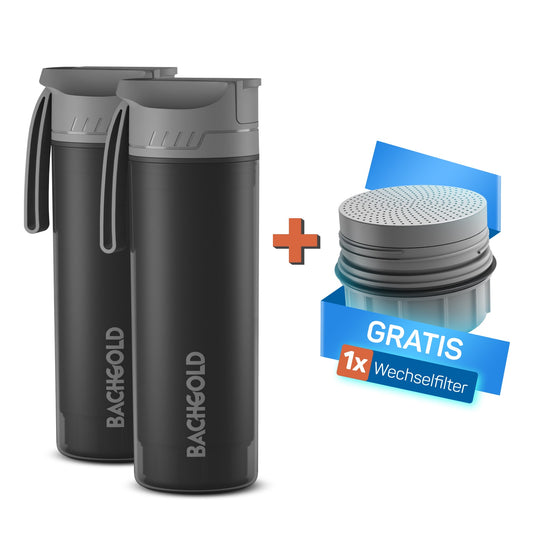
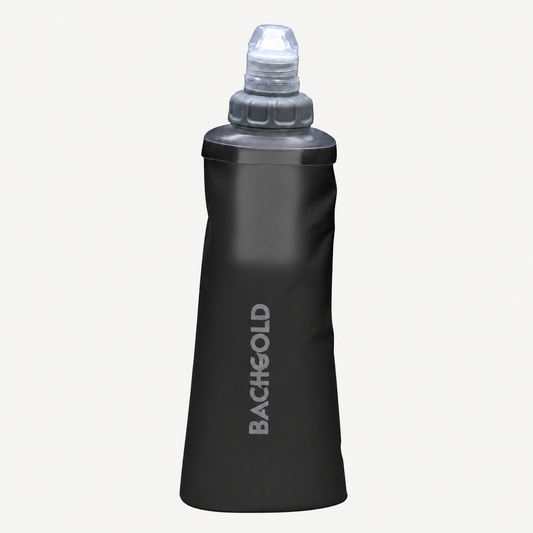
If your route has a reliable place to refill, a filter can help you carry less water from the start. BACHGOLD filters let you treat water along the way, removing bacteria and protozoa. If you also need protection against viruses, our Squeeze and Straw filters remove 99.99% of them. No chemicals, batteries, or waiting for purification tablets.
Shop the BACHGOLD filter today →